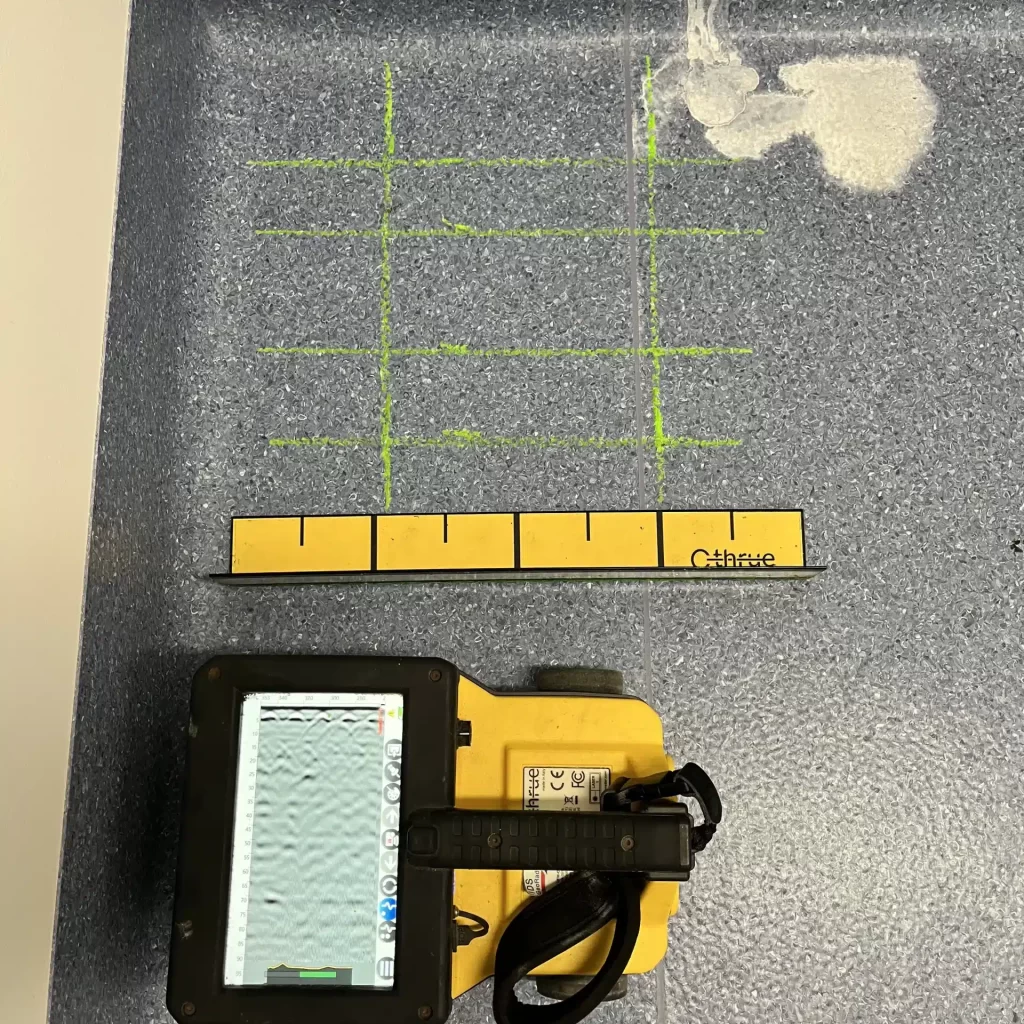
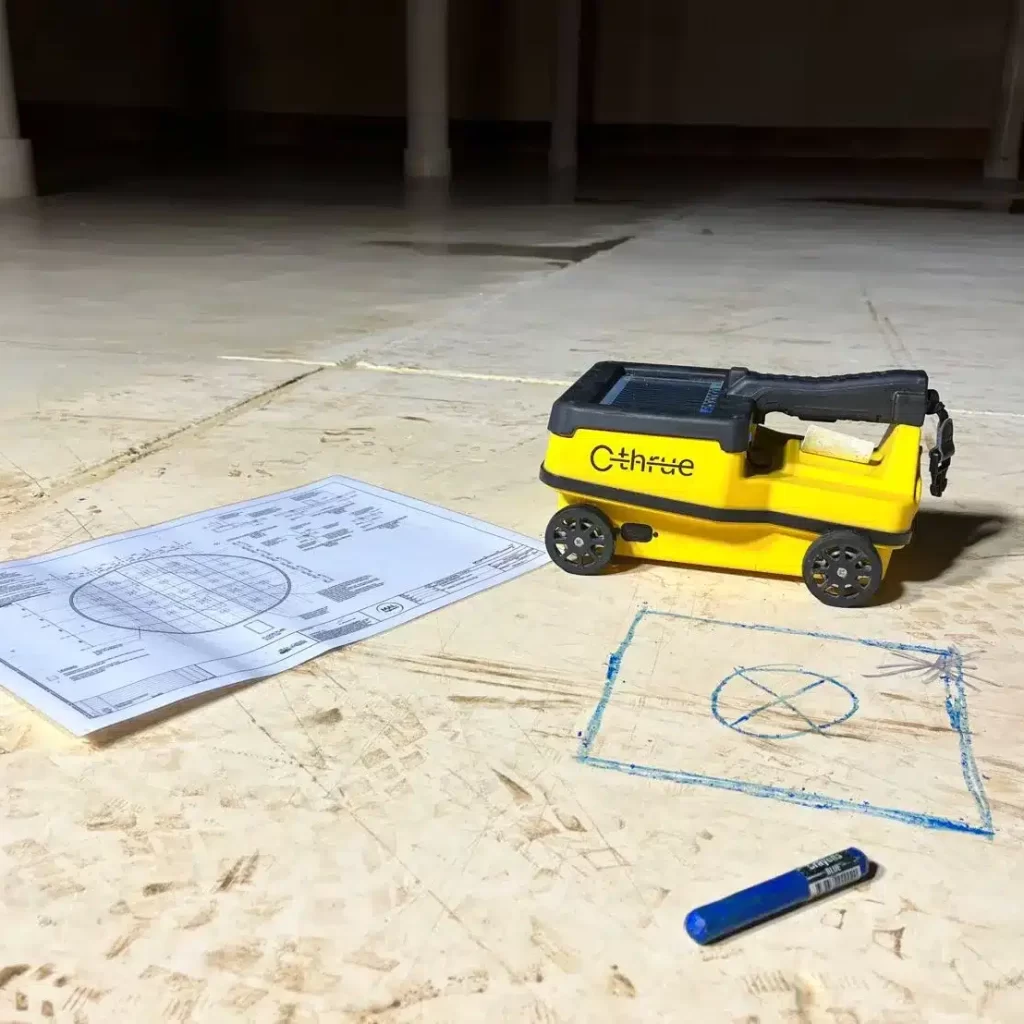
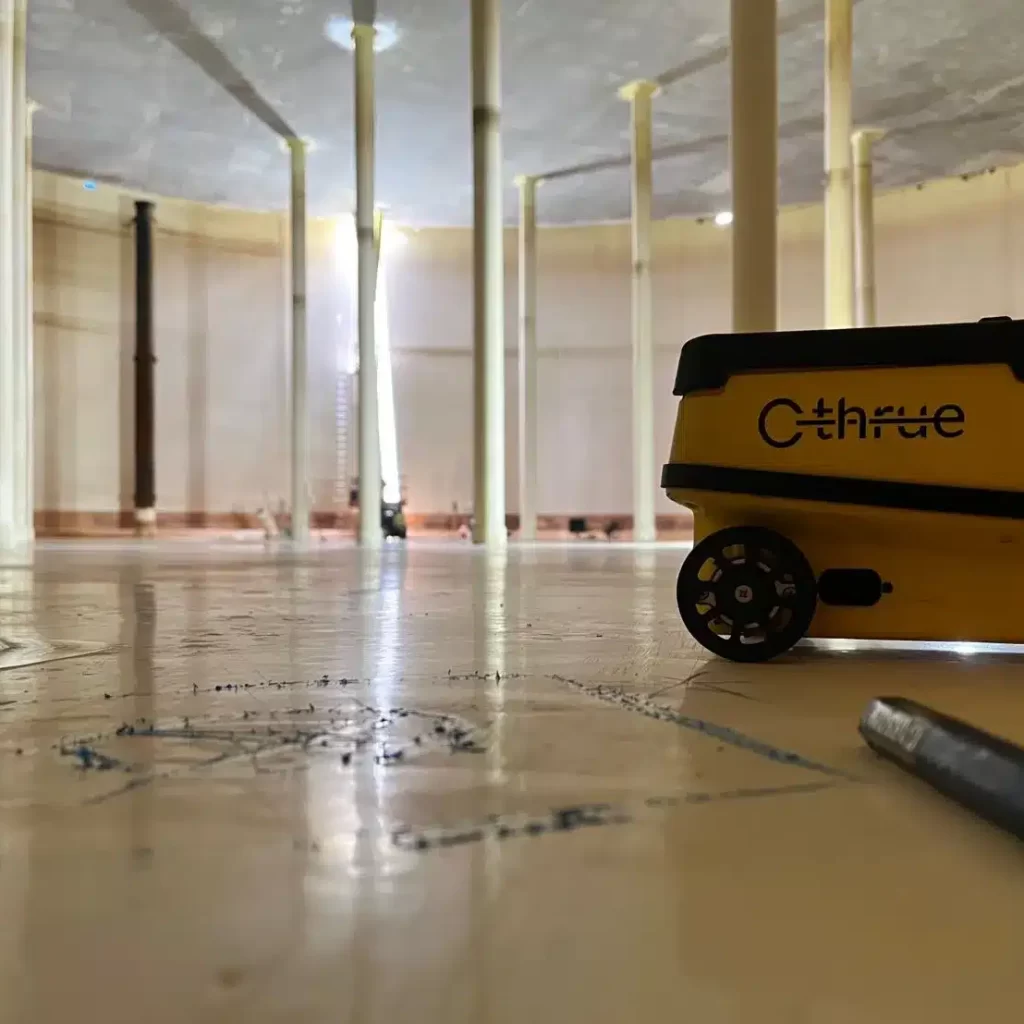
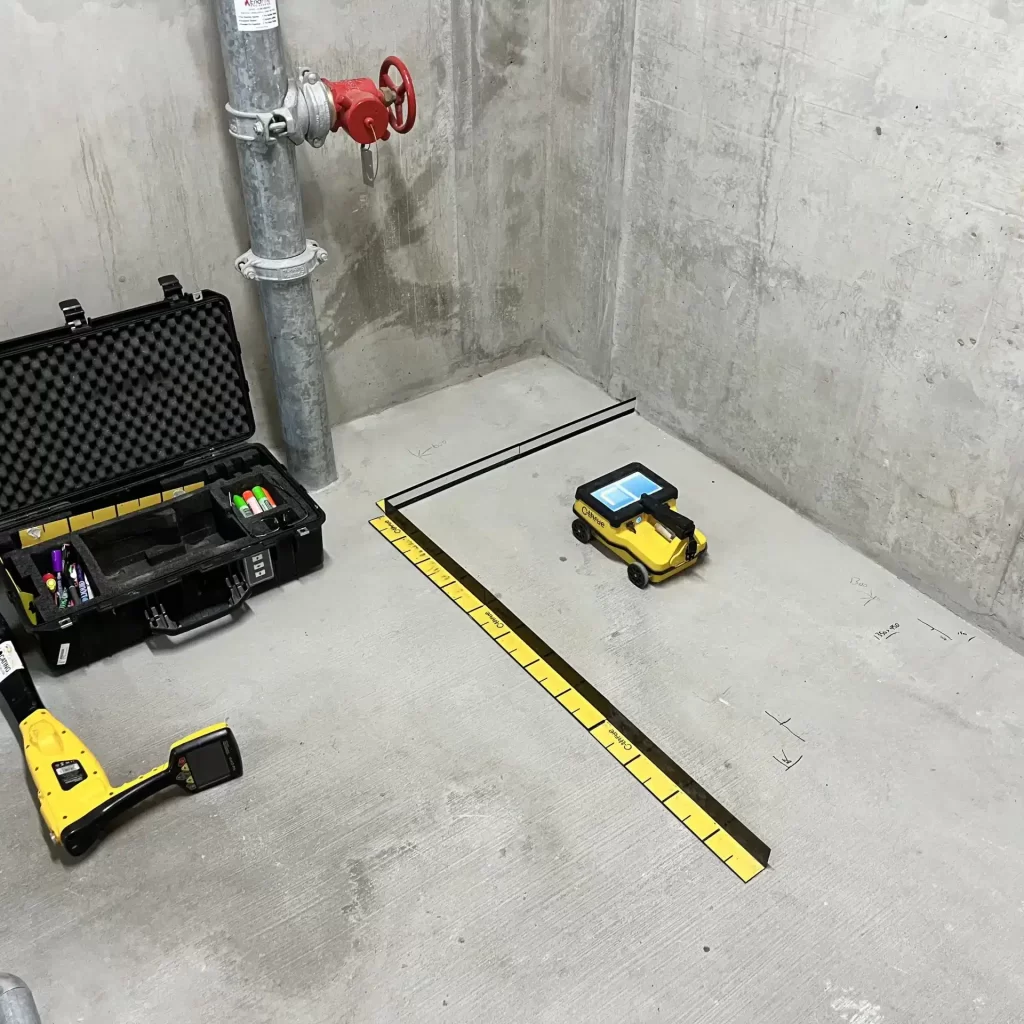
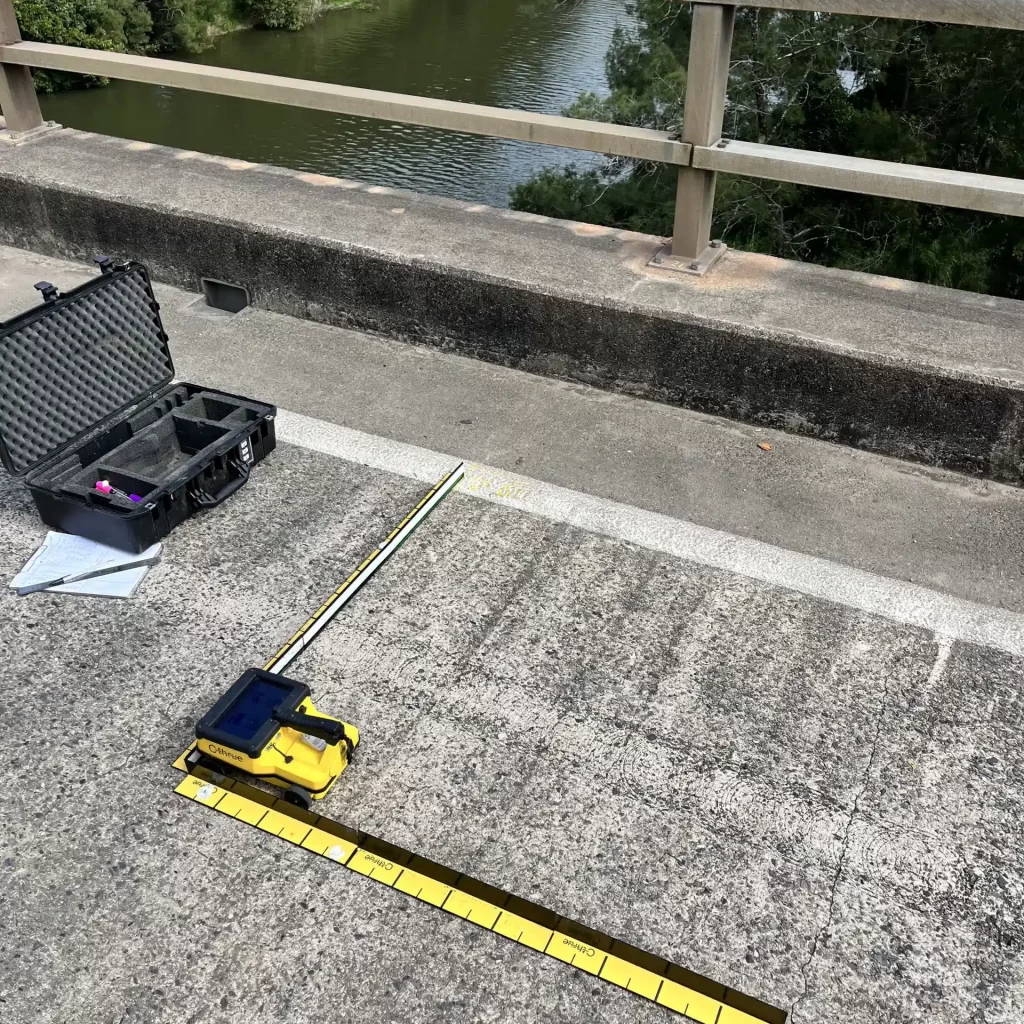
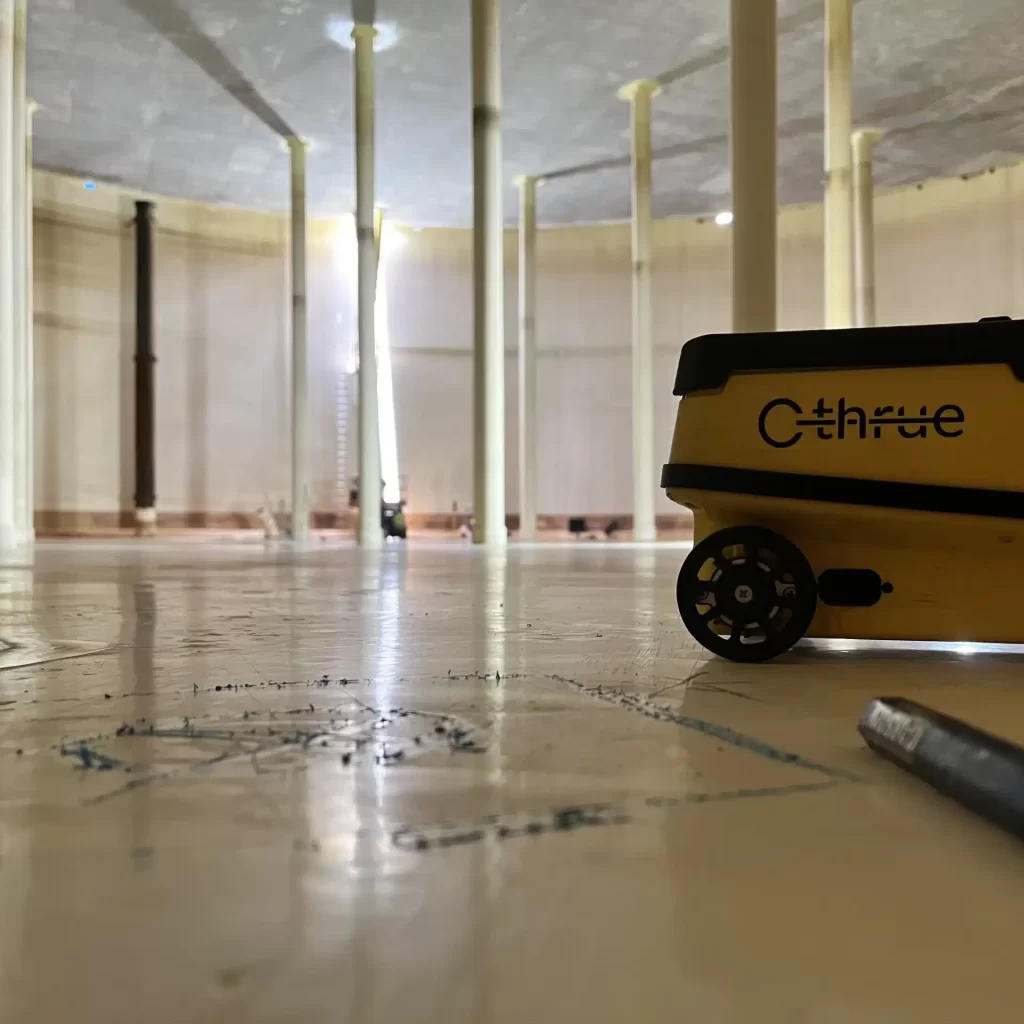
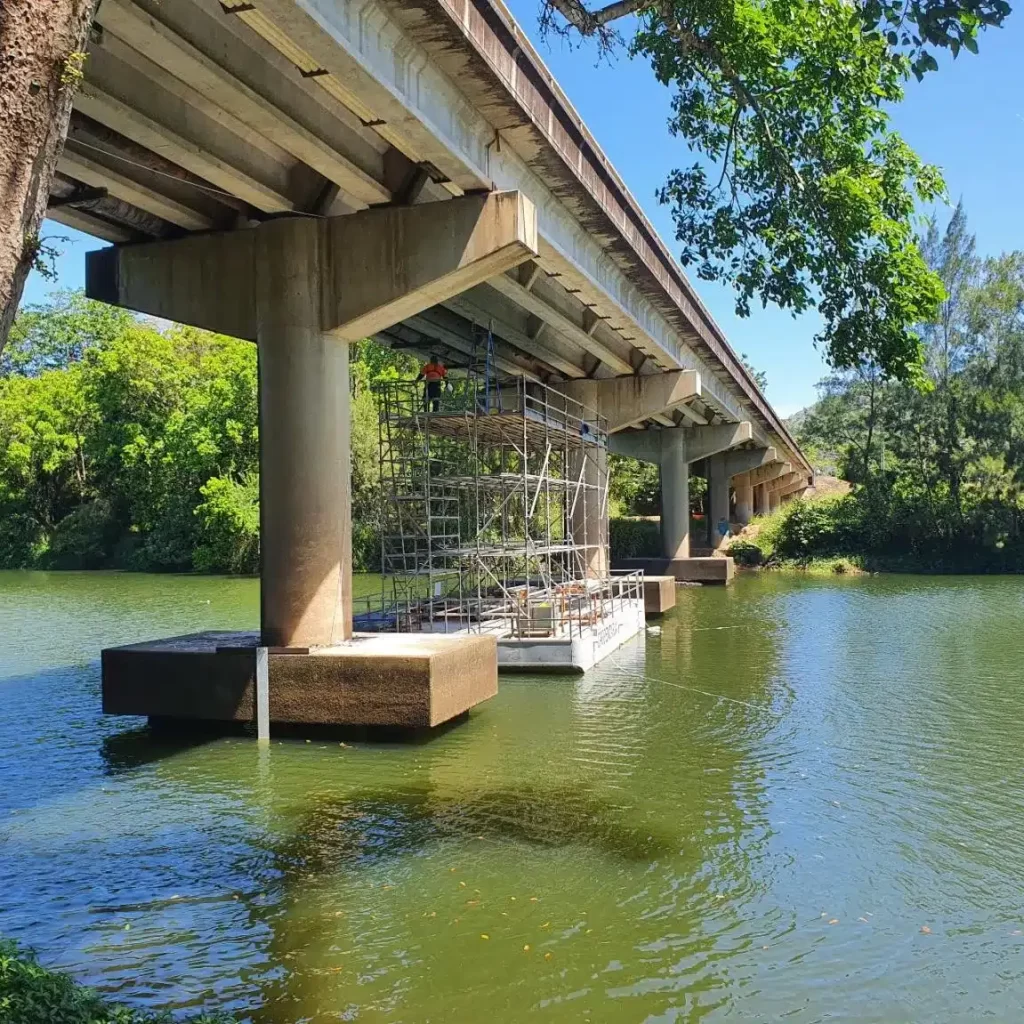
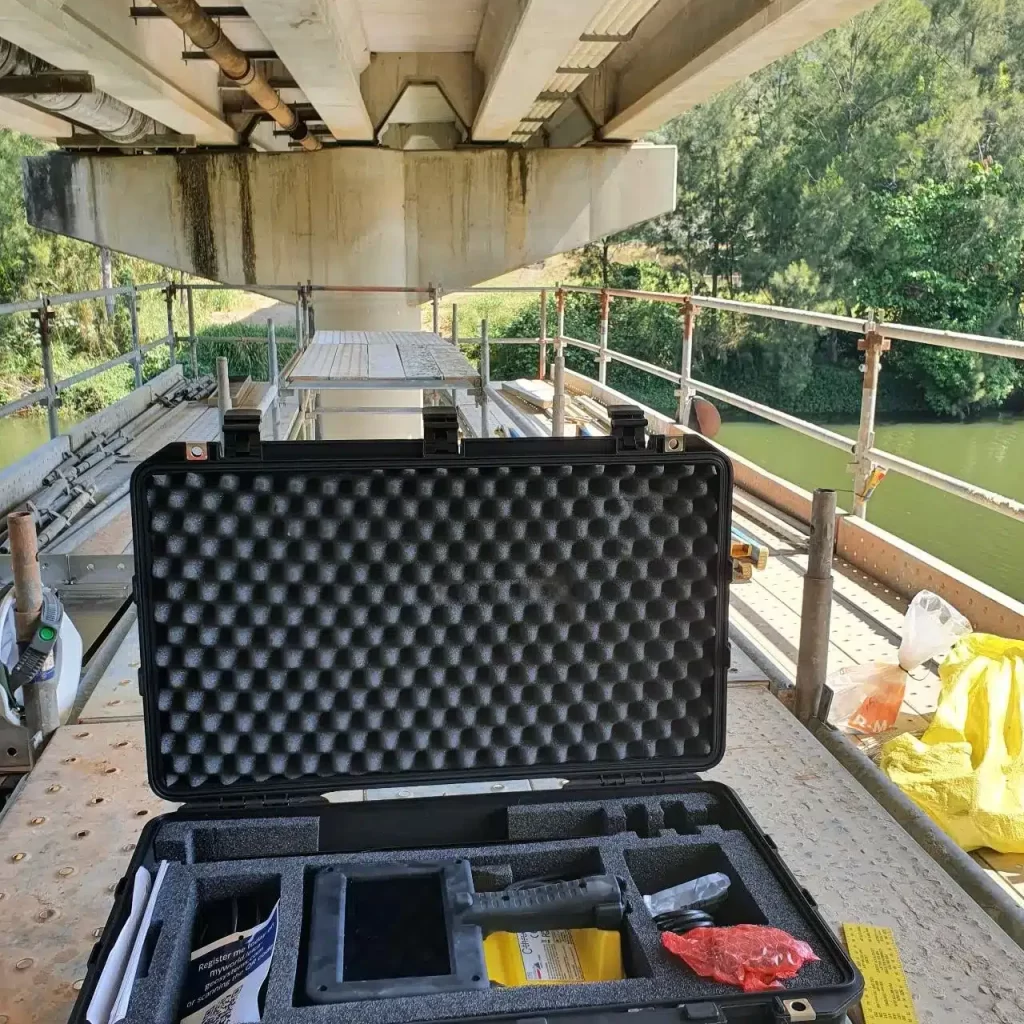
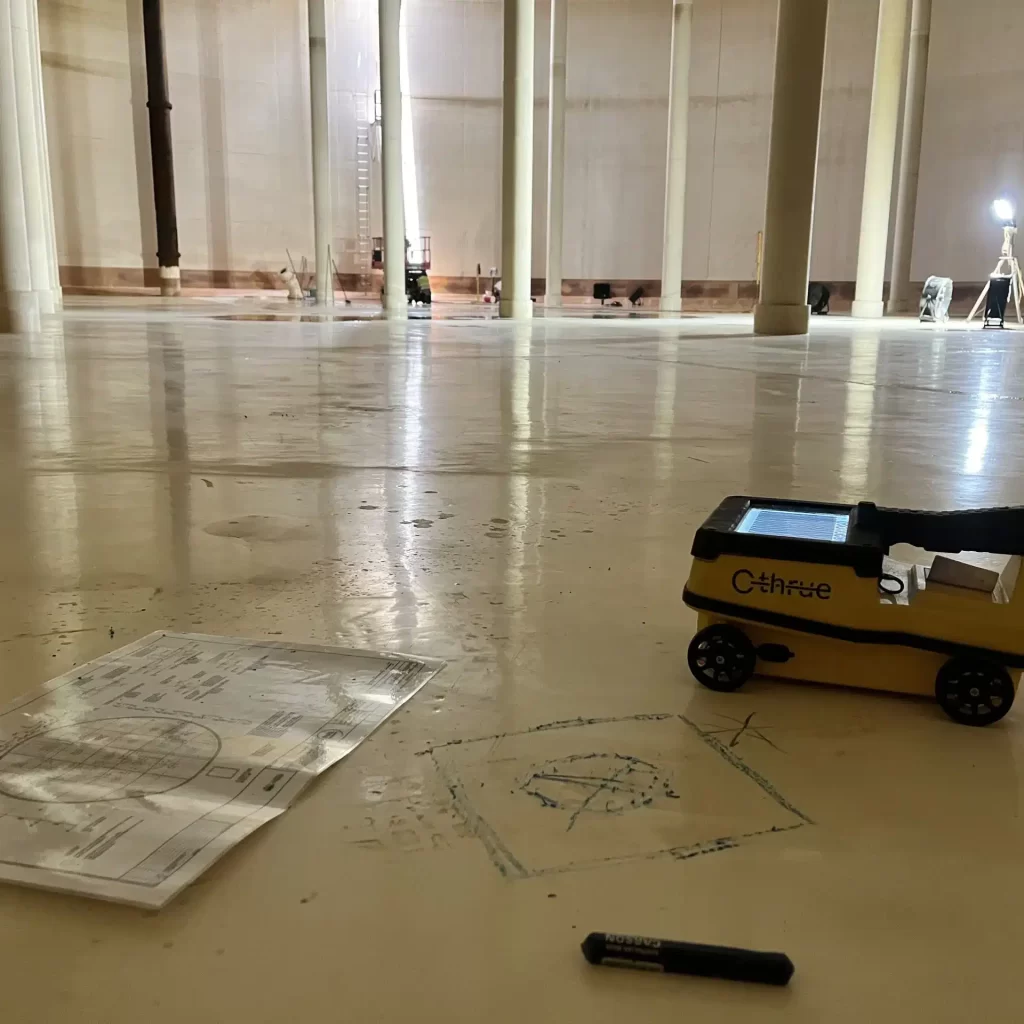
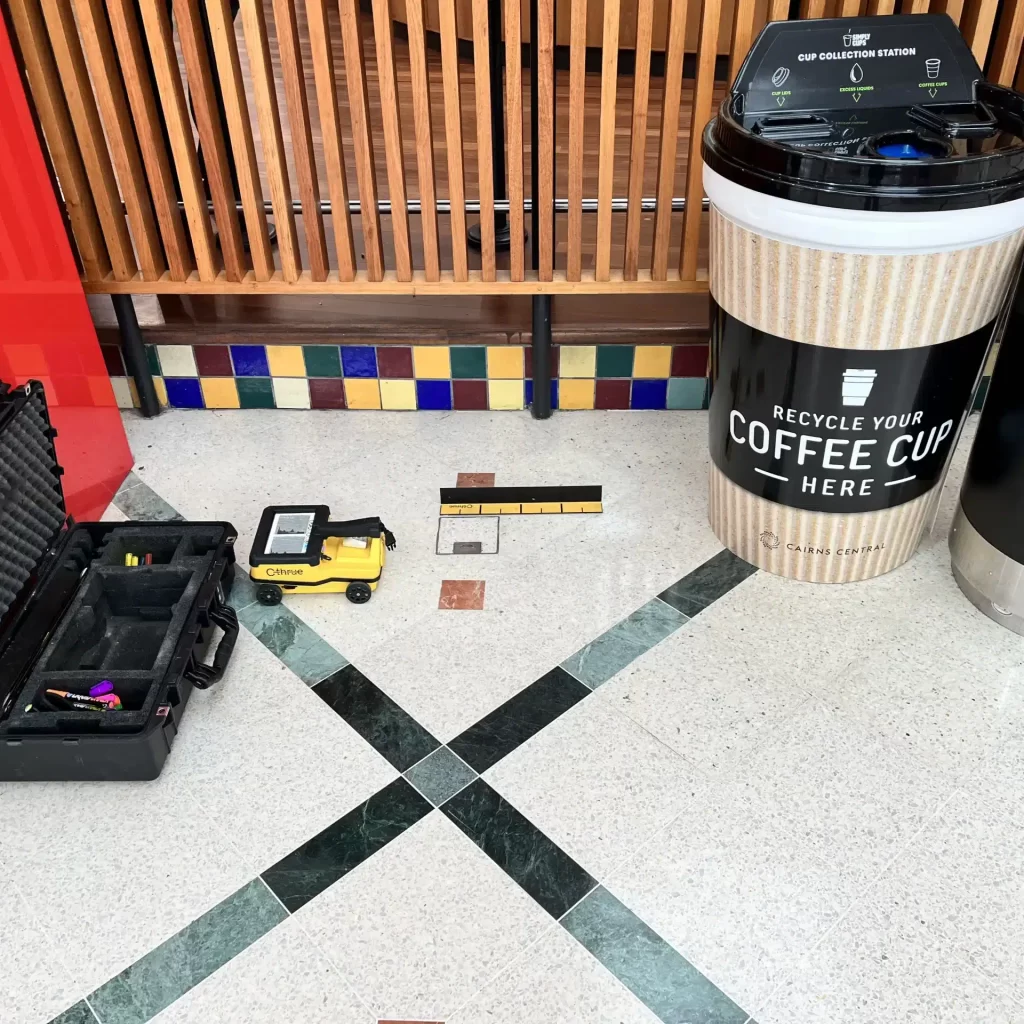
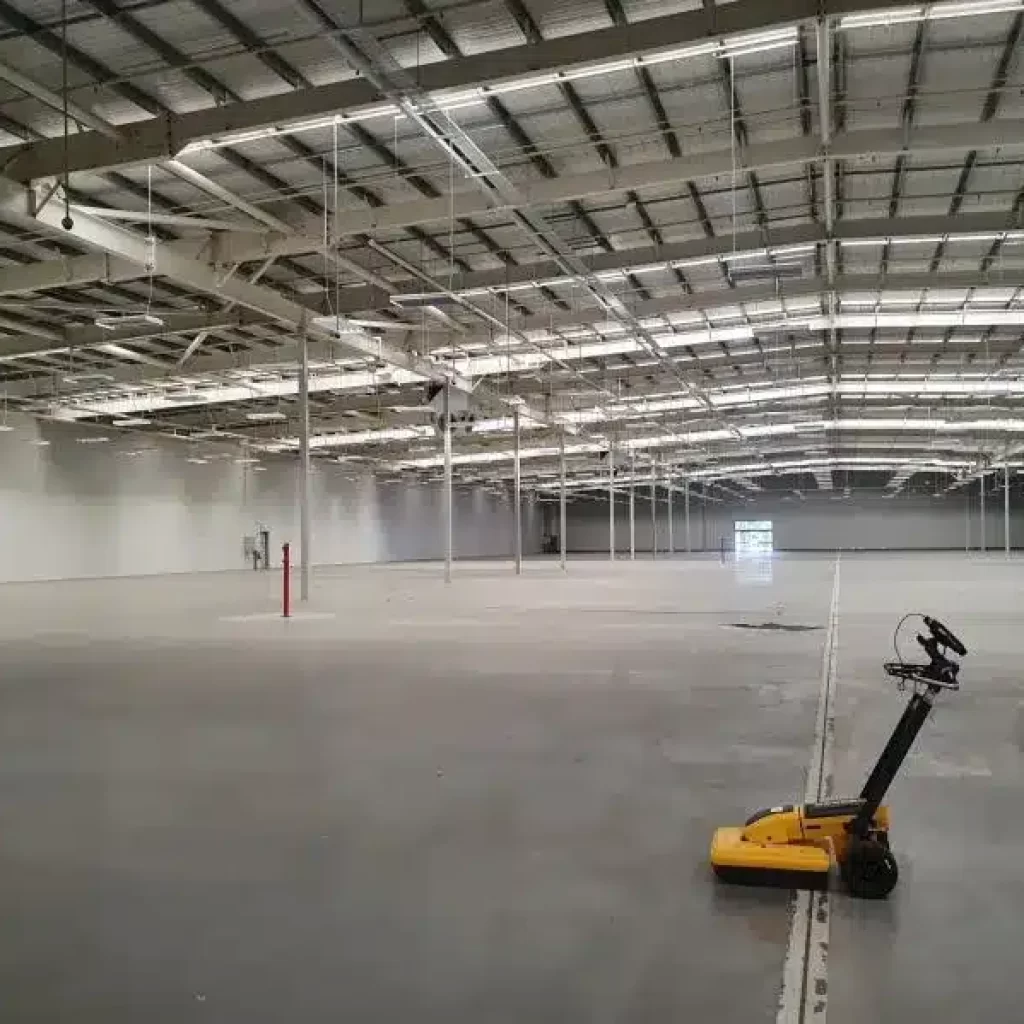
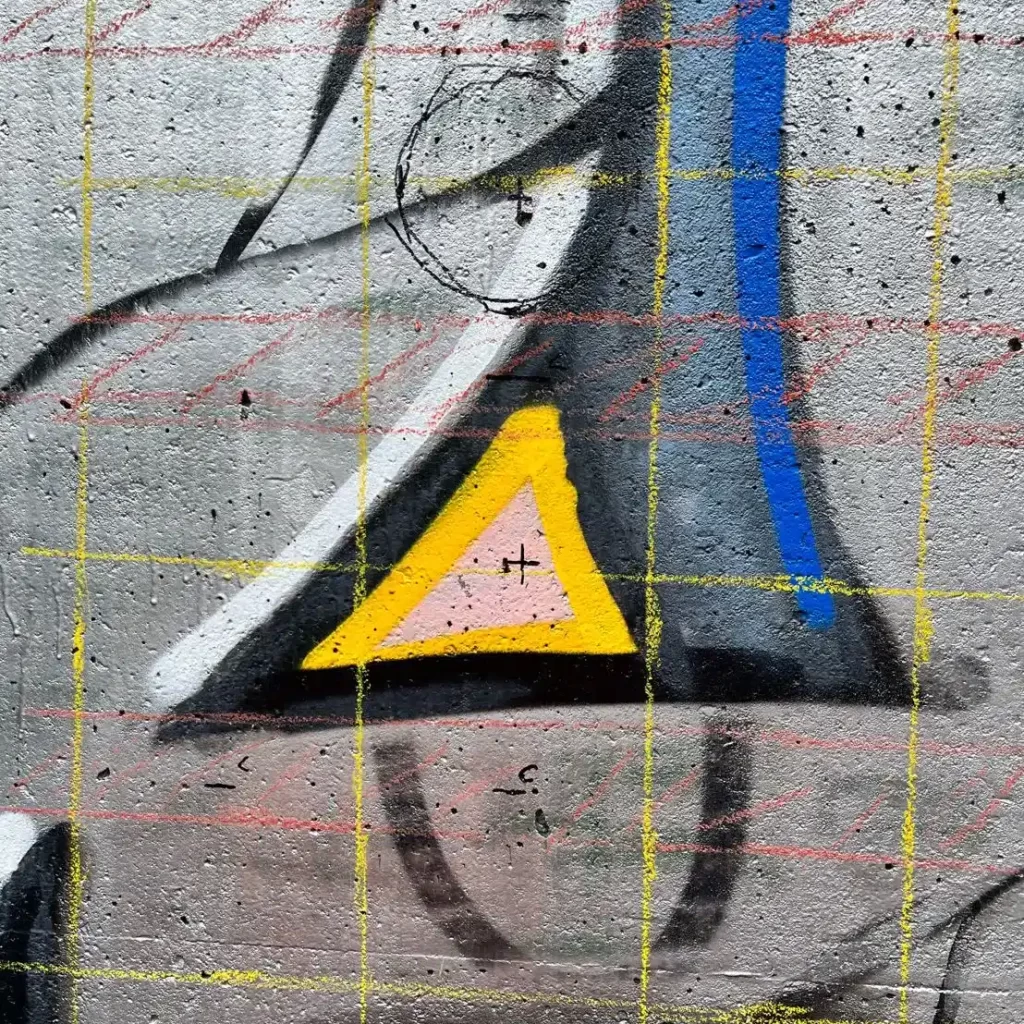
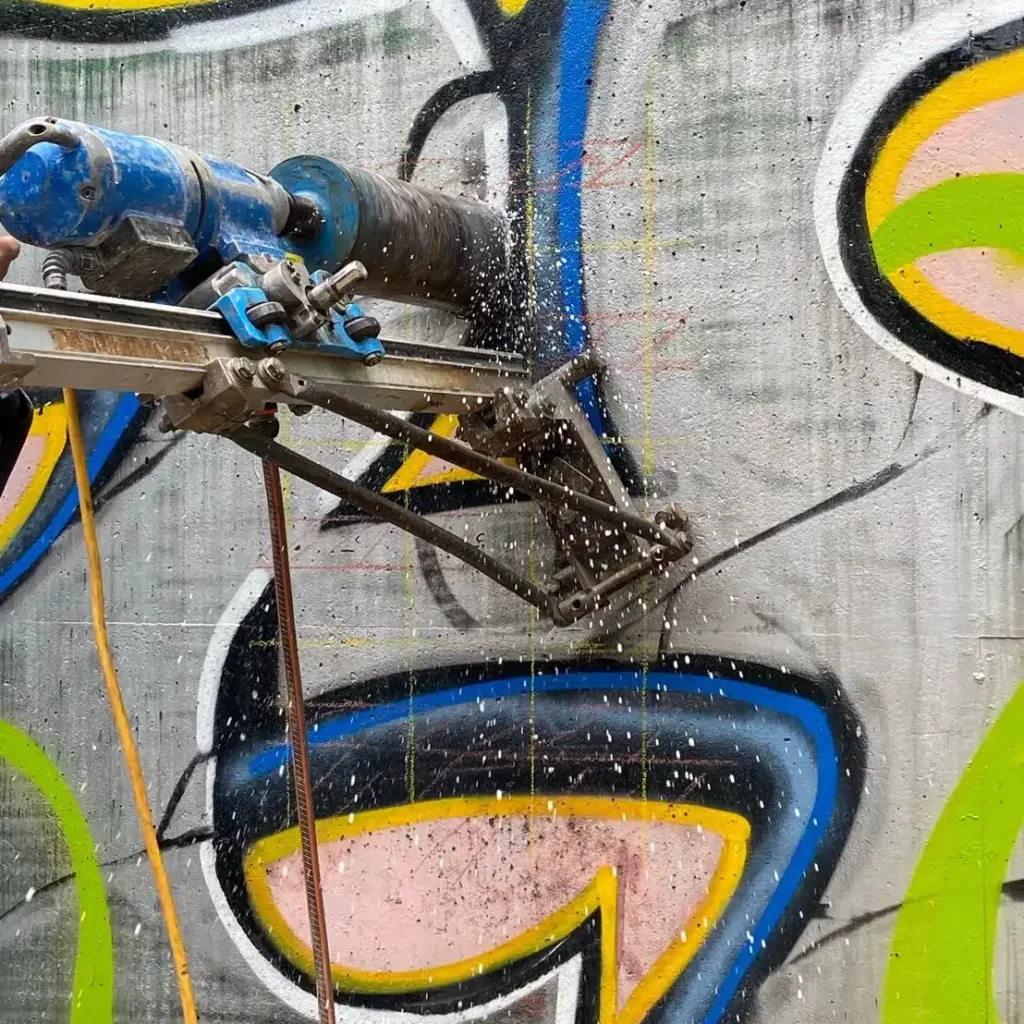
Concrete scanning using ground-penetrating radar (GPR) allows engineers and construction professionals to ensure safety and make informed decisions regarding concrete structures. Concrete scanning with GPR is a non-destructive method used to test, inspect, and analyse the internal structure of concrete surfaces. Electromagnetic waves penetrate the concrete and reflect off the materials within it, such as rebar, post-tension cables, voids, and any anomalies.
Concrete Scanning
Concrete scanning using ground-penetrating radar (GPR) allows engineers and construction professionals to ensure safety and make informed decisions regarding concrete structures. Concrete scanning with GPR is a non-destructive method used to test, inspect, and analyse the internal structure of concrete surfaces. Electromagnetic waves penetrate the concrete and reflect off the materials within it, such as rebar, post-tension cables, voids, and any anomalies.
Features and Benefits of Concrete Scanning
Non-Destructive: GPR does not damage the concrete, allowing for inspections without compromising the integrity of the structure.
Real-Time Results: Scans provide immediate feedback, allowing operators to visualise the internal features of the concrete.
Depth Penetration: Depending on the concrete’s composition and thickness, GPR can typically penetrate to depths of several feet, revealing important structural information.
Versatility: GPR is used in various applications, including assessing structural integrity, locating utilities, identifying voids, and guiding renovation or repair projects.
Data Interpretation: The results are displayed as radargrams, allowing trained professionals to interpret and analyse the findings accurately.